Strong communities do not develop through government action alone. They also depend on residents who take an active interest in public affairs and shared responsibilities. People contribute by organizing neighborhood initiatives, volunteering for local causes, attending public meetings, and participating in elections. These actions may appear separate, but they are connected by a common purpose: improving the places where people live and ensuring that public institutions remain responsive to community needs. Civic activities give individuals practical ways to influence decisions beyond their personal lives. They create opportunities to identify problems, propose solutions, support vulnerable groups, and hold decision-makers accountable. Understanding the relationship between civic activities, community organizing, and voter participation is essential for building inclusive and resilient societies. Meaningful involvement does not require every person to become a political leader or public official. It begins with awareness, informed choices, and a willingness to contribute.
The Role of Civic Activities in Building Stronger Communities
Civic activities include voluntary and organized actions through which people contribute to public life. They can involve social initiatives, public service, local advocacy, voter education, and participation in democratic processes. Unlike purely recreational activities, civic engagement focuses on shared interests and community well-being. Its value extends beyond completing individual projects. Regular participation helps residents understand local challenges and build relationships with people who may have different experiences or priorities. These relationships can create trust and make collective problem-solving easier.For example, residents concerned about poor sanitation may organize a neighborhood meeting, document problem areas, and communicate with the relevant local authority. Others may support educational programs, help older residents access public services, or participate in campaigns promoting road safety. Each activity addresses a specific need while encouraging people to take responsibility for their surroundings. Civic participation also improves communication between communities and institutions. Public officials can receive more accurate feedback when residents explain how policies affect their daily lives. In return, institutions have an opportunity to communicate decisions and demonstrate accountability.However, participation must be inclusive to deliver lasting benefits. Community initiatives can lose legitimacy when only influential residents control discussions. Organizers should create opportunities for young people, older adults, people with disabilities, and underrepresented groups to contribute. Different perspectives often reveal problems that a small group might overlook.
Community Organizing as a Foundation for Collective Action
Community organizing turns individual concerns into coordinated efforts. It helps residents move from discussing problems to developing practical responses. Effective organizing begins with listening. People need to understand what matters to different groups before deciding which issue deserves attention. A neighborhood may face several challenges, including unreliable transport, limited recreational facilities, poor waste management, and inadequate access to healthcare. Trying to address all these concerns at once can overwhelm volunteers and weaken results. A focused approach makes it easier to assign responsibilities and measure progress.
Identifying Shared Priorities and Local Concerns
The first step is gathering reliable information about local conditions. Organizers can hold listening sessions, conduct simple surveys, review available public information, and speak with community organizations. These methods help distinguish widely shared concerns from isolated complaints. They also reveal which groups experience the greatest difficulties.Priorities should be assessed according to urgency, public impact, available resources, and the possibility of achieving improvement. For example, a community might choose to address unsafe pedestrian crossings before launching a broader campaign for transport reform. This does not mean ignoring larger problems. It creates a manageable starting point and helps build confidence through visible progress. Clear evidence also makes discussions with public officials more productive.
Turning Community Concerns into Organized Initiatives
Once priorities are established, residents need a practical structure for action. This may involve creating a volunteer group, forming a neighborhood committee, or partnering with an established nonprofit organization. Participants should agree on a shared objective, define responsibilities, and establish realistic timelines. A project coordinator may manage communication, while other volunteers handle outreach, research, fundraising, or direct activities.Transparency is essential. Organizers should explain how decisions are made and how money or donated resources are used. Regular updates help maintain trust and prevent misunderstandings. Partnerships can also expand the impact of local initiatives. Schools, businesses, community centers, and government departments may contribute expertise, facilities, or resources. However, partnerships should have clear expectations so that responsibilities do not become confused. Successful organizing combines local knowledge with practical coordination.
Public Service and Volunteerism in Everyday Civic Life
Public service gives people another direct way to improve their communities. It includes activities that support public welfare, whether organized through government programs, nonprofit groups, educational institutions, or informal volunteer networks. Examples include tutoring students, assisting food distribution programs, supporting emergency response efforts, organizing neighborhood cleanups, and helping residents understand available public services.Volunteerism can address immediate needs while strengthening a community’s ability to respond to future challenges. A food assistance project may help families facing temporary hardship. A mentoring program can provide young people with guidance and educational support. Environmental initiatives can improve public spaces while encouraging residents to take greater responsibility for their surroundings. These activities also help volunteers develop communication, teamwork, planning, and leadership skills.A strong volunteer program requires more than enthusiasm. Organizers should define the work clearly, provide appropriate training, and establish safeguards for participants and beneficiaries. Projects involving children, older adults, or vulnerable individuals require particular care. Volunteers should understand privacy expectations and know how to report concerns. Resource management also matters. Donations should be recorded, budgets should be transparent, and project outcomes should be reviewed.Volunteer fatigue is another challenge. Community initiatives often depend on a small number of highly committed individuals. If the same people handle every responsibility, participation can decline over time. Organizers can reduce this risk by sharing tasks, creating manageable volunteer schedules, recognizing contributions, and developing new leaders. Sustainable public service depends on a system that supports volunteers rather than relying entirely on personal sacrifice.
Voter Participation and Its Influence on Public Decisions
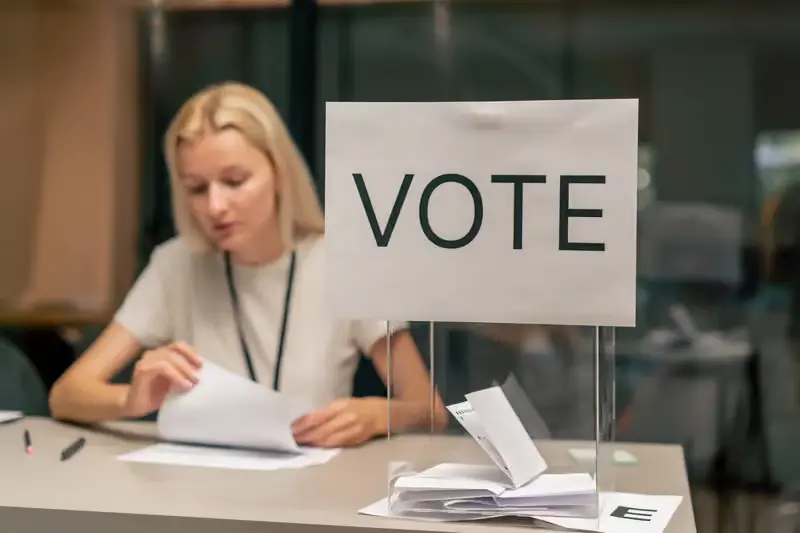
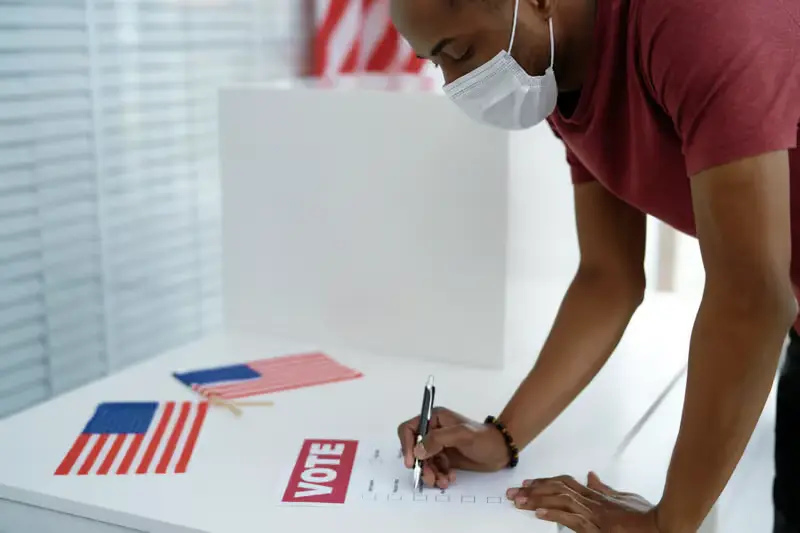
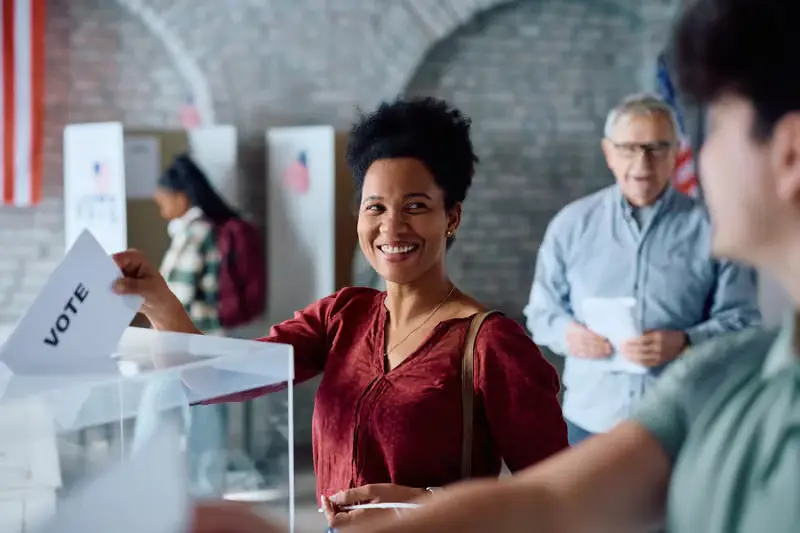
Voting is a central form of civic participation because it allows eligible citizens to influence political representation. Elections provide a formal mechanism for choosing representatives and evaluating competing policy proposals. They also create opportunities for peaceful political change. However, meaningful voter participation involves more than arriving at a polling station. It requires understanding the issues, examining available information, and making an independent decision.
Understanding the Responsibilities of an Informed Voter
An informed voter looks beyond slogans and campaign promises. Candidates should be evaluated through their public records, policy positions, leadership experience, and explanations of how they intend to address important issues. Voters can examine proposals concerning education, healthcare, employment, public safety, infrastructure, and economic management. They should also consider whether promised changes are financially and institutionally realistic.Reliable information is particularly important during election periods. Political advertisements, social media posts, edited videos, and unverified claims can influence public opinion. Voters should compare information from credible reporting, official election communications, public records, and multiple independent sources. They should distinguish verified facts from personal opinions and campaign messaging.Understanding the practical voting process is equally necessary. Registration requirements, identification rules, polling locations, voting hours, and ballot procedures may vary by jurisdiction. Checking official information before election day can prevent avoidable difficulties. Civic education programs can help people understand these responsibilities without promoting a particular candidate or political position.
Removing Barriers to Meaningful Electoral Participation
Some people face obstacles that make voting difficult. These may include complicated registration procedures, limited transportation, inaccessible polling facilities, insufficient information, or work and family responsibilities. Political distrust can also discourage participation, particularly when people believe that public institutions do not respond to their concerns.Improving access requires practical measures. Clear voter information should be available in accessible formats and relevant languages. Election authorities can provide guidance about registration and polling arrangements. Where legally and operationally possible, accessible facilities and appropriate assistance can reduce barriers for people with disabilities. Community organizations can also support neutral voter education.Young people deserve particular attention because their early experiences with elections can shape long-term participation. Schools, universities, and youth organizations can provide nonpartisan civic education that explains democratic institutions, public policy, and voting procedures. Outreach should inform rather than pressure individuals. Voting must remain voluntary and free from intimidation, discrimination, or coercion.
Connecting Local Engagement with Democratic Accountability
Civic participation should continue after election results are announced. Elections select representatives, but democratic accountability requires ongoing communication between public institutions and the people they serve. Residents can participate in public consultations, attend council meetings, submit petitions, contact elected representatives, and contribute to discussions about local budgets or development plans.These activities help communities monitor public commitments. If an elected representative promises improvements to local roads, residents can ask about timelines, funding, and implementation progress. If a public service is failing, organized feedback can help identify where the problem occurs. Specific questions supported by evidence are often more useful than general expressions of dissatisfaction.Local media and civic organizations can strengthen this process by explaining public decisions and examining whether institutions meet their responsibilities. Access to accurate public information allows residents to evaluate government performance. However, accountability should remain constructive. Respectful dialogue, factual criticism, and clearly stated proposals are more likely to produce useful engagement than personal attacks or misinformation.Public institutions also have responsibilities. They should provide accessible channels for feedback, explain how public input is considered, and communicate reasons for major decisions. Consultation becomes ineffective when authorities invite participation but provide no explanation of what happened afterward. Closing this feedback loop is essential. Residents need to see whether their contributions influenced decisions or understand why particular recommendations were not adopted.
Digital Tools and New Opportunities for Civic Participation
Digital platforms have expanded the ways communities organize and communicate. Residents can use online groups to coordinate volunteer activities, share information about public meetings, and discuss local concerns. Digital petitions and virtual consultations can make it easier for people to express views without attending an event in person. Civic organizations can also use websites, newsletters, and social media to distribute educational material and recruit volunteers.These tools are useful, but digital participation has limitations. Not everyone has reliable internet access, suitable devices, or the skills needed to use online services. Older residents and people in underserved areas may be excluded if institutions rely entirely on digital communication. A balanced approach should combine online options with in-person meetings, printed information, and accessible public services.Misinformation is another serious concern. False election information or misleading claims about public policy can spread quickly through digital networks. Community organizers should verify important announcements before sharing them and correct inaccurate information without amplifying it unnecessarily. Privacy also deserves attention. Online forms and volunteer platforms should collect only necessary personal information and protect it appropriately. Digital engagement works best when convenience is supported by security, accessibility, and reliable information.
Challenges That Can Weaken Community and Voter Engagement
Even well-designed civic initiatives face obstacles. Political polarization can make cooperation difficult when people treat disagreement as a personal conflict. Limited funding and volunteer capacity can prevent community groups from maintaining projects. Public distrust may discourage residents who believe that their participation will not influence decisions. Social inequality can also create uneven opportunities, allowing influential groups to dominate public discussions.These challenges require more than motivational campaigns. Organizers should establish fair participation rules, provide accessible meeting arrangements, and communicate decisions transparently. They should also measure progress using practical indicators. A neighborhood project might track volunteer retention, service improvements, participation levels, and feedback from residents. Voter education initiatives can assess whether participants understand registration procedures and reliable sources of election information.Symbolic engagement is especially damaging. Asking residents for opinions without considering their recommendations can create frustration. Public institutions should explain how consultation results influence decisions and identify any legal, financial, or operational limitations. Community groups should also be realistic about what they can achieve independently. Some problems require long-term institutional reform rather than a short volunteer campaign.A sustainable civic culture depends on consistent opportunities to participate. People are more likely to remain involved when they feel respected, receive clear information, and can see evidence of progress. Strong leadership matters, but it should encourage shared responsibility rather than concentrate control in a few individuals.
Conclusion
Civic activities strengthen communities by connecting individual responsibility with collective action. Community organizing helps residents identify shared concerns and develop coordinated solutions. Public service provides practical support for people and institutions, while informed voter participation gives citizens a voice in choosing political representatives. Ongoing engagement also helps communities monitor public commitments and encourage accountable decision-making. These forms of participation are most effective when they are inclusive, transparent, and based on reliable information. Digital tools can expand opportunities, but they should complement accessible in-person engagement. Building a strong civic culture requires more than occasional enthusiasm. It depends on sustained cooperation, responsible leadership, and institutions that take public contributions seriously. When people participate thoughtfully and consistently, they help create communities that are more connected, responsive, and capable of addressing shared challenges.