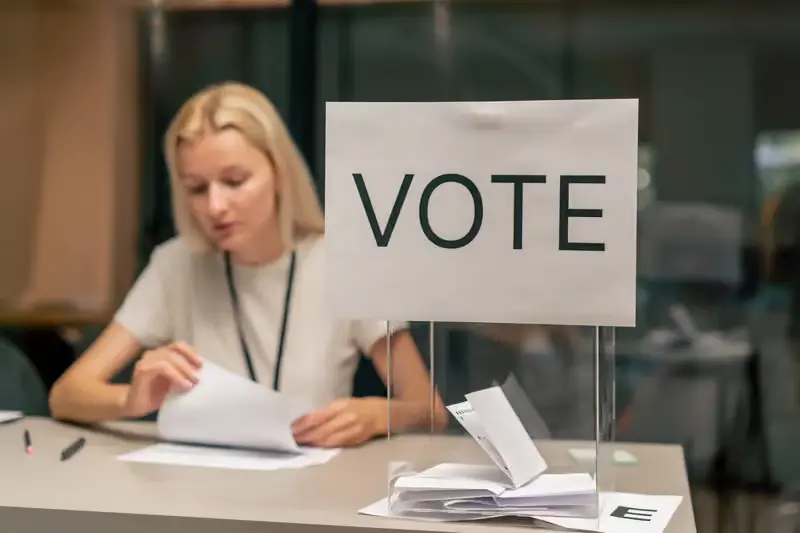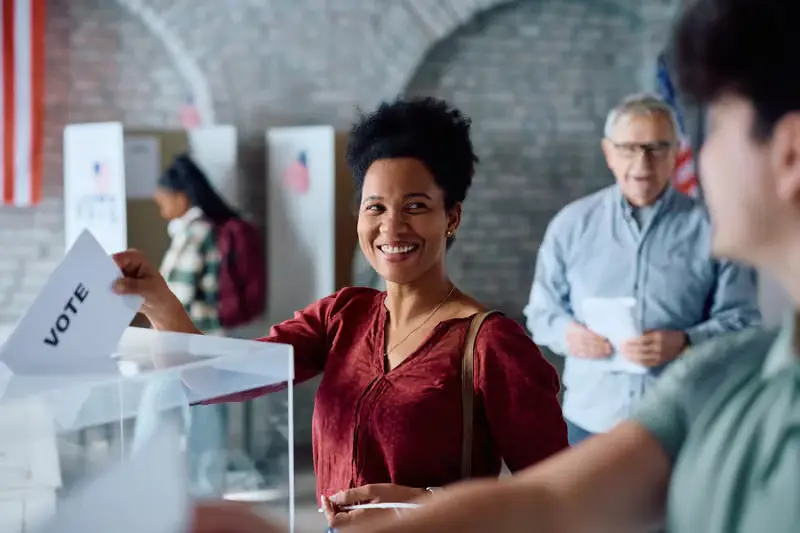
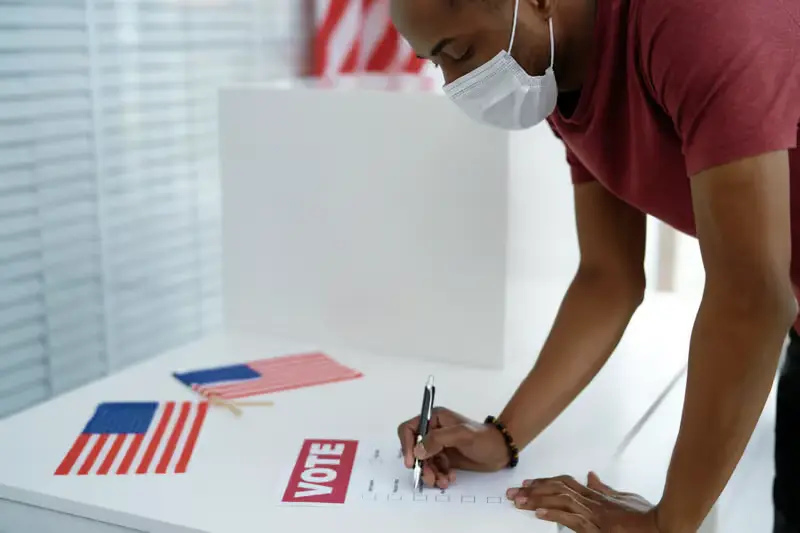
Democracy is more than a system for choosing political representatives. It is an ongoing relationship between citizens, public institutions, and the wider community. Elections provide an important opportunity to influence government, but democratic life continues between voting periods. People also contribute by discussing public issues, monitoring government decisions, supporting community initiatives, and defending shared rights. These actions are known as civic activities. They help ensure that public decisions reflect different experiences and that institutions remain accountable. Without meaningful participation, democratic systems can become disconnected from the people they are intended to serve. Understanding how civic activities support a vibrant democracy is therefore essential. Active citizens help protect democratic principles, improve public debate, and create opportunities for peaceful cooperation. Their involvement makes democracy a shared responsibility rather than an activity limited to elected officials.
Defining Civic Activities Beyond Formal Political Participation
Civic activities are actions through which individuals contribute to public life and the well-being of their communities. They can be organized or informal, individual or collective. Examples include attending public meetings, joining neighborhood associations, supporting charitable initiatives, participating in peaceful demonstrations, contacting elected representatives, and helping communities understand their legal rights. Voting is an important civic activity, but it represents only one part of broader participation.The defining feature of civic engagement is its connection to shared public interests. A resident who reports unsafe roads, participates in a local environmental campaign, or helps organize educational support is contributing to civic life. These activities may not involve political parties or government positions, yet they can influence public priorities and improve local conditions.Civic engagement also connects individual rights with public responsibilities. People have the right to express opinions, access information, and participate in public affairs. They also have a responsibility to respect the rights of others, consider evidence, and engage constructively. This balance helps communities manage disagreement without undermining social cooperation. Consistent participation can also build relationships between residents and public institutions. When people understand how decisions are made, they are better equipped to contribute useful feedback and recognize where accountability is needed.
How Civic Engagement Protects Democratic Principles
Promoting Freedom of Expression and Public Debate
Freedom of expression allows people to communicate their views, criticize public decisions, and discuss alternative policies. Civic activities create practical spaces for exercising this freedom. Public forums, community meetings, peaceful demonstrations, and independent discussion groups allow people to raise concerns that might otherwise receive limited attention.Healthy democratic debate requires more than allowing different opinions to exist. Participants need opportunities to question claims, examine evidence, and explain competing perspectives. Disagreement is normal in a democratic society. The challenge is to manage it through peaceful discussion rather than intimidation or hostility. Community organizations and public institutions can support this process by establishing respectful discussion rules and ensuring that different groups have opportunities to speak.Open debate also helps policymakers identify weaknesses in proposed decisions. Residents may recognize practical consequences that officials or technical advisers have overlooked. When public feedback is considered seriously, policies can become more responsive and realistic.
Strengthening Equality and Representation
Democracy depends on the principle that people should have meaningful opportunities to influence decisions affecting their lives. However, not everyone has equal access to public discussions. Economic pressures, disability, language barriers, social exclusion, and limited information can prevent some groups from participating.Civic activities can help reduce these gaps. Community associations, accessible public consultations, youth forums, and advocacy organizations can create additional channels for underrepresented voices. These spaces allow people to explain their experiences and identify needs that may not appear in official reports.Inclusion must be built into the design of participation. Holding a meeting at an inaccessible location or communicating only through complex documents can exclude people even when an event is technically open to everyone. Organizers should consider accessible venues, suitable timings, clear language, and alternative ways to contribute. Representation becomes stronger when participation is practical rather than symbolic.
Public Accountability and the Citizen’s Role in Oversight
Public accountability is one of the most important connections between civic engagement and democratic government. Elected representatives and public institutions exercise authority on behalf of the public. Citizens therefore have a legitimate interest in understanding how decisions are made, how public money is used, and whether promised services are delivered.People can support oversight by attending public hearings, reviewing available government information, submitting petitions, contacting representatives, and participating in community consultations. Residents may also organize around specific concerns, such as delays in public transport, poor waste management, or unequal access to local services. Clear evidence makes these efforts more effective. Photographs, service records, budget information, and documented complaints can help demonstrate the scale of a problem.Independent media and civic organizations contribute by investigating public decisions and explaining their consequences. Their work can help citizens identify gaps between official commitments and actual outcomes. However, accountability should be based on reliable information. Unverified accusations can damage reputations and distract from genuine problems. Responsible civic oversight distinguishes documented facts from assumptions and gives institutions an opportunity to respond.Public institutions also have a duty to communicate clearly. They should explain decisions, publish relevant information, and provide accessible channels for complaints and feedback. When officials respond to concerns and demonstrate how recommendations were considered, public confidence can improve. Accountability is strongest when scrutiny leads to explanations, corrective action, or clearly stated reasons for maintaining an existing decision.
Civic Education and the Development of Informed Citizens
Building Knowledge of Democratic Institutions
Civic education helps people understand how democratic systems operate. It introduces constitutional principles, legal rights, government responsibilities, public institutions, and the processes through which decisions are made. This knowledge makes participation more practical. Someone who understands the responsibilities of local government, for example, can direct a service complaint to the appropriate authority rather than relying on an unrelated institution.Schools and universities can introduce civic concepts through classroom discussions, student councils, debates, and community projects. Libraries and community organizations can provide accessible information about public services and legal processes. Public institutions can also explain how residents can attend consultations, request information, or raise concerns.Effective civic education should connect theory with everyday situations. Learning about democratic rights becomes more meaningful when people understand how those rights apply to public meetings, elections, freedom of expression, and access to information. It should also explain that democratic systems involve procedures and limits. Participation is important, but decisions must still follow applicable laws and constitutional rules.
Encouraging Critical Thinking and Information Literacy
Modern citizens encounter large amounts of political and public information. News reports, social media posts, campaign messages, videos, and online commentary can influence opinions. Not all information is accurate or presented fairly. Misinformation can distort public debate, deepen divisions, and weaken trust in institutions.Information literacy helps people evaluate what they encounter. Citizens should examine who produced a claim, whether supporting evidence is available, and whether independent sources confirm it. They should distinguish factual reporting from commentary and recognize when a headline exaggerates the content of a report. Images and videos may also require verification because they can be edited, taken out of context, or shared with misleading descriptions.Critical thinking does not mean rejecting every source or assuming that all institutions are trustworthy. It means evaluating evidence consistently and remaining open to correction. Civic education should encourage people to compare perspectives, ask relevant questions, and avoid sharing unverified claims. These habits improve public debate and help citizens make more responsible decisions.
Collective Action and the Power of Organized Communities
Individual participation can draw attention to a concern, but organized collective action often creates greater influence. When residents coordinate around a shared objective, they can combine knowledge, skills, time, and resources. Community associations, nonprofit organizations, professional groups, advocacy networks, and neighborhood initiatives all provide structures for this cooperation.Collective action can address a wide range of public issues. Residents may campaign for safer streets, improved public facilities, environmental protection, better access to education, or more transparent local budgeting. Organizations can gather evidence, develop proposals, communicate with officials, and encourage wider participation. A coordinated campaign is often more effective when it presents a specific request supported by practical recommendations.Good organization requires clear leadership and shared responsibilities. Groups should establish realistic objectives, transparent decision-making procedures, and appropriate methods for managing funds. They should also make space for disagreement. A group that discourages questions or concentrates control in a few individuals can reproduce the same exclusion it seeks to challenge.Long-term initiatives need regular evaluation. Organizers should assess whether activities are reaching the intended communities, whether resources are being used responsibly, and whether the original objective remains relevant. Measuring outcomes helps groups learn from setbacks and demonstrate progress. Collective action is most sustainable when people understand their roles and can see how their contributions support a common purpose.
The Influence of Digital Participation on Modern Democracy
Digital technology has created additional ways for people to take part in public life. Online platforms allow residents to discuss local issues, organize events, share civic information, and communicate with representatives. Digital petitions, virtual public forums, online consultations, and civic education campaigns can reach people who may not be able to attend traditional meetings.These tools can also make public information easier to access. Government announcements, policy documents, meeting schedules, and service updates can be distributed through digital channels. Community groups can use online networks to coordinate volunteers and share progress. When designed well, these methods reduce some practical barriers to participation.However, digital access is not equal. People without reliable internet, suitable devices, or digital skills may be excluded. Online participation should therefore complement rather than replace in-person opportunities. Institutions and civic organizations can provide printed information, community help sessions, and accessible public meetings alongside digital services.Online spaces also create risks. Harassment can discourage people from expressing opinions, while false claims can spread rapidly. Personal information shared through petitions or community platforms may be misused if privacy is not protected. Organizers should use secure systems, collect only necessary information, and establish clear standards for respectful communication. Digital engagement strengthens democracy when it expands access without sacrificing safety, accuracy, or inclusion.
Barriers That Prevent People from Taking Part in Civic Life
Several challenges can weaken civic participation. Political distrust is one of the most significant. People may disengage when they believe public officials ignore complaints or that their involvement has no influence on decisions. Economic pressures can also limit the time available for volunteering, attending meetings, or researching public issues. Social exclusion and inaccessible public spaces create further barriers.Political polarization can make these problems worse. When public debate becomes hostile, people may avoid discussions or limit their involvement to groups that already share their opinions. This reduces opportunities for cooperation and constructive disagreement. Community leaders can respond by encouraging evidence-based discussion, setting clear participation rules, and focusing on practical issues where different groups may find common ground.Institutions must also make participation meaningful. Public consultations should provide enough information and time for residents to respond. Officials should explain how feedback was considered and why particular recommendations were accepted or rejected. Without this follow-through, consultation can become a symbolic exercise that increases frustration.Practical improvements include offering accessible meeting arrangements, providing information in clear language, supporting independent civic education, and creating reliable channels for public feedback. Organizations should also review who is participating and identify groups that remain underrepresented. Removing barriers requires ongoing effort rather than a single awareness campaign.
Measuring the Health of a Vibrant Democratic Society
The strength of democracy cannot be judged by election turnout alone. Elections are essential, but democratic health also depends on freedom of expression, public access to information, institutional transparency, community involvement, and the ability to influence decisions.Participation indicators can reveal whether different groups have opportunities to contribute. These may include attendance at public meetings, involvement in community organizations, participation in consultations, and access to civic education. Institutional indicators can examine how quickly authorities respond to public concerns, whether relevant information is available, and whether decisions are explained clearly.Public trust is another useful measure, although it should be interpreted carefully. Trust can change because of economic conditions, political events, or individual experiences. It should therefore be considered alongside evidence about institutional performance and public participation. Independent research organizations, civic groups, and public institutions can use regular assessments to identify gaps and recommend improvements.Evaluation should lead to action. If participation is low among certain communities, institutions should investigate the reasons rather than assuming a lack of interest. The problem may involve inaccessible procedures, limited information, or a history of ignored feedback. Measuring democratic health is valuable when it helps decision-makers remove barriers and strengthen public involvement.
Conclusion
A vibrant democracy depends on more than elections and formal government institutions. It requires citizens who are willing to participate, question decisions, exchange ideas, and contribute to shared priorities. Civic activities support freedom of expression, equality, public accountability, civic knowledge, and collective problem-solving. They also help communities respond to modern challenges such as misinformation, digital exclusion, and declining public trust. Meaningful participation must be accessible and supported by institutions that listen and explain their decisions. Individuals can contribute through everyday actions, from attending public meetings to supporting community organizations and evaluating public information carefully. When these efforts become a consistent part of public life, democracy becomes more inclusive, transparent, and resilient.